Cascade volcanoes
Snow, ice, and the ground that grew beneath them.
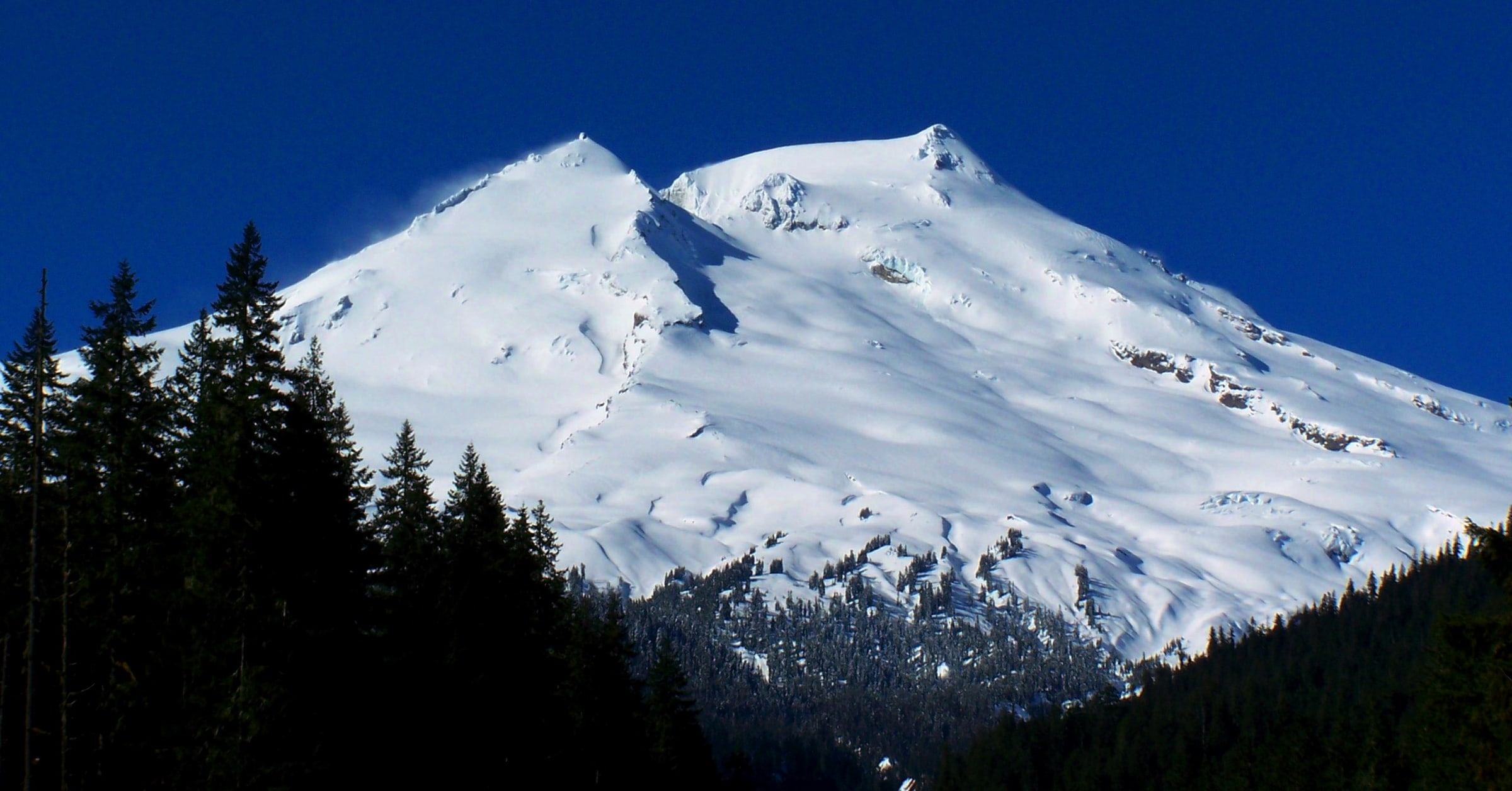
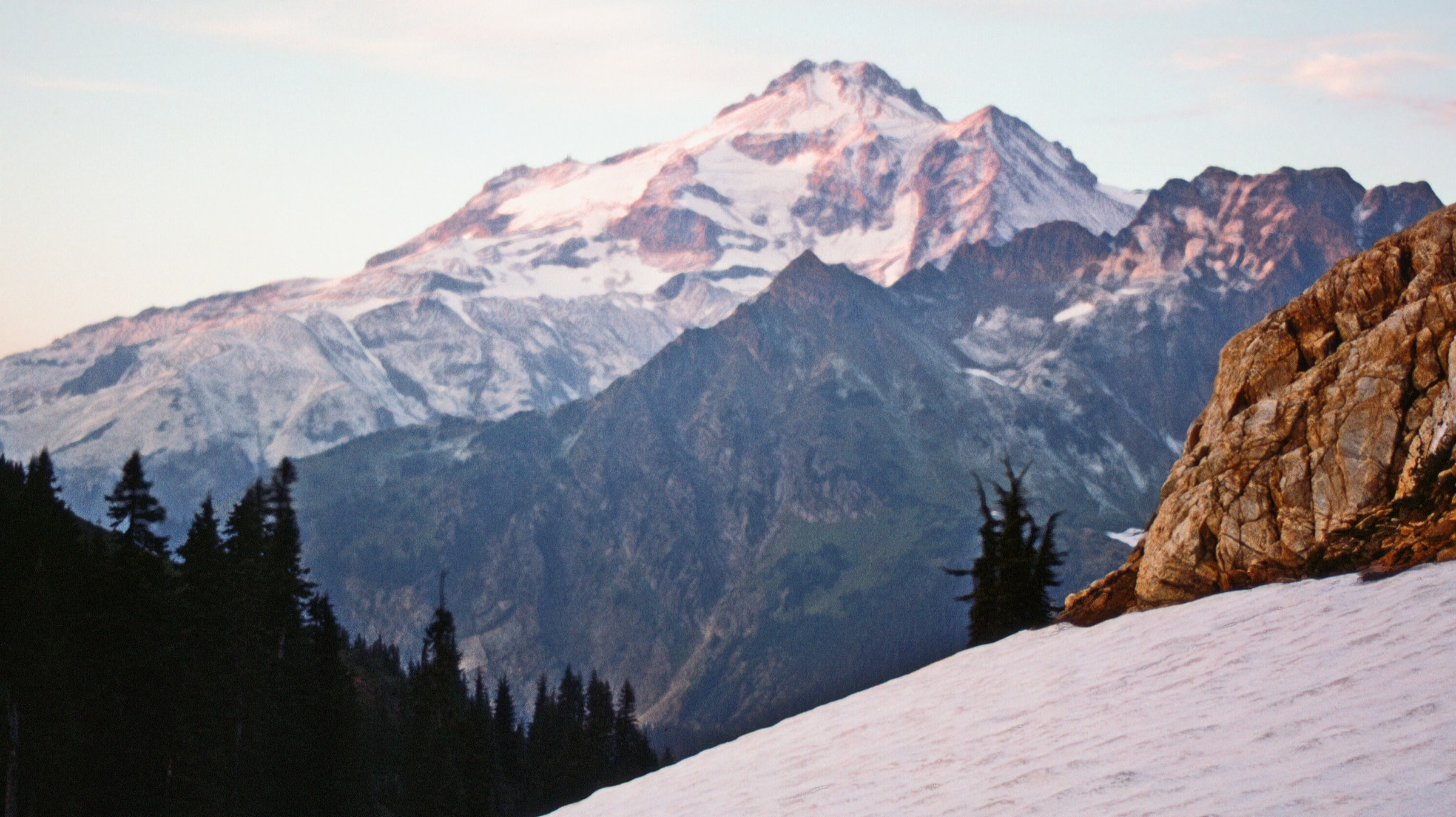
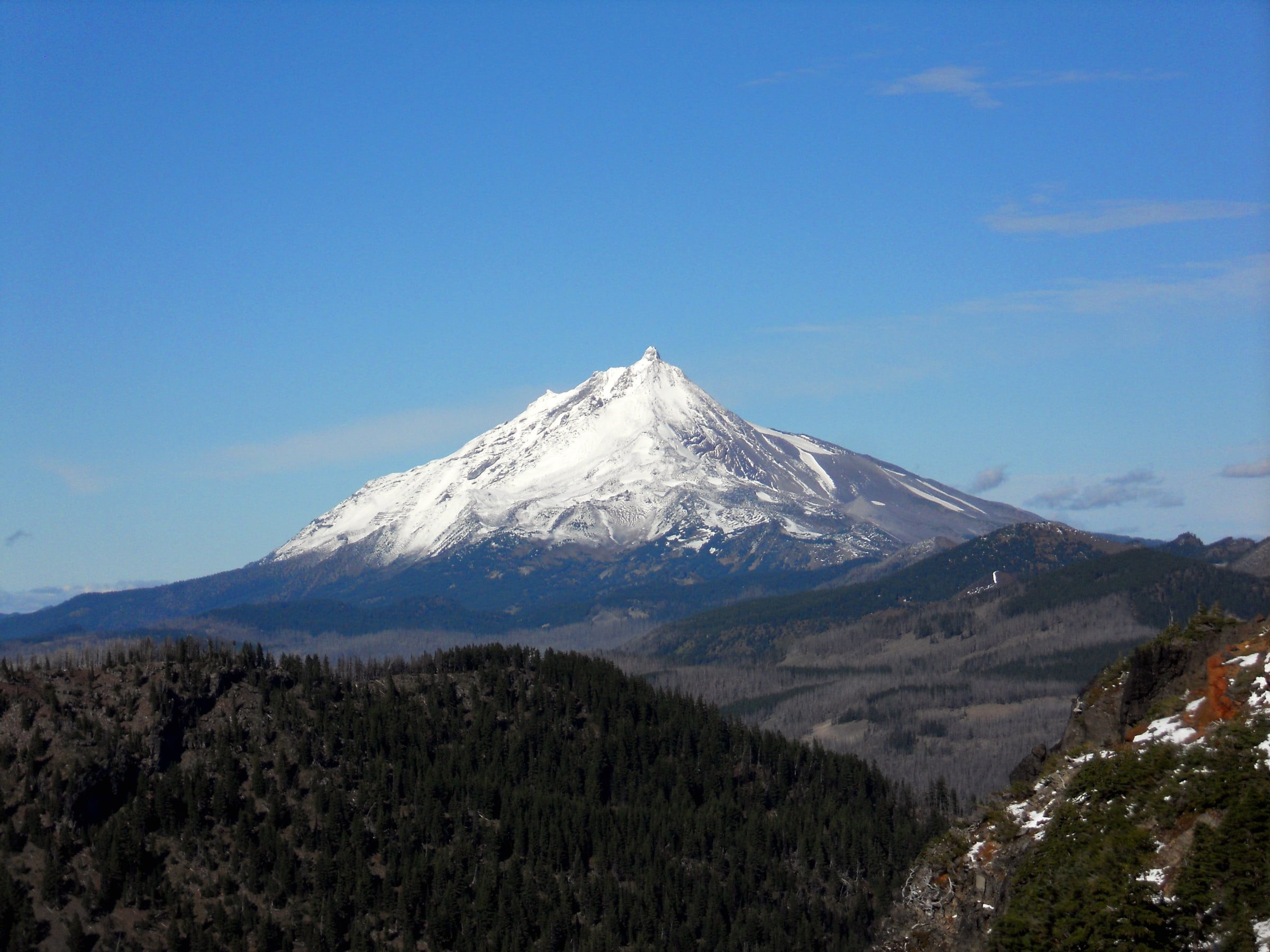
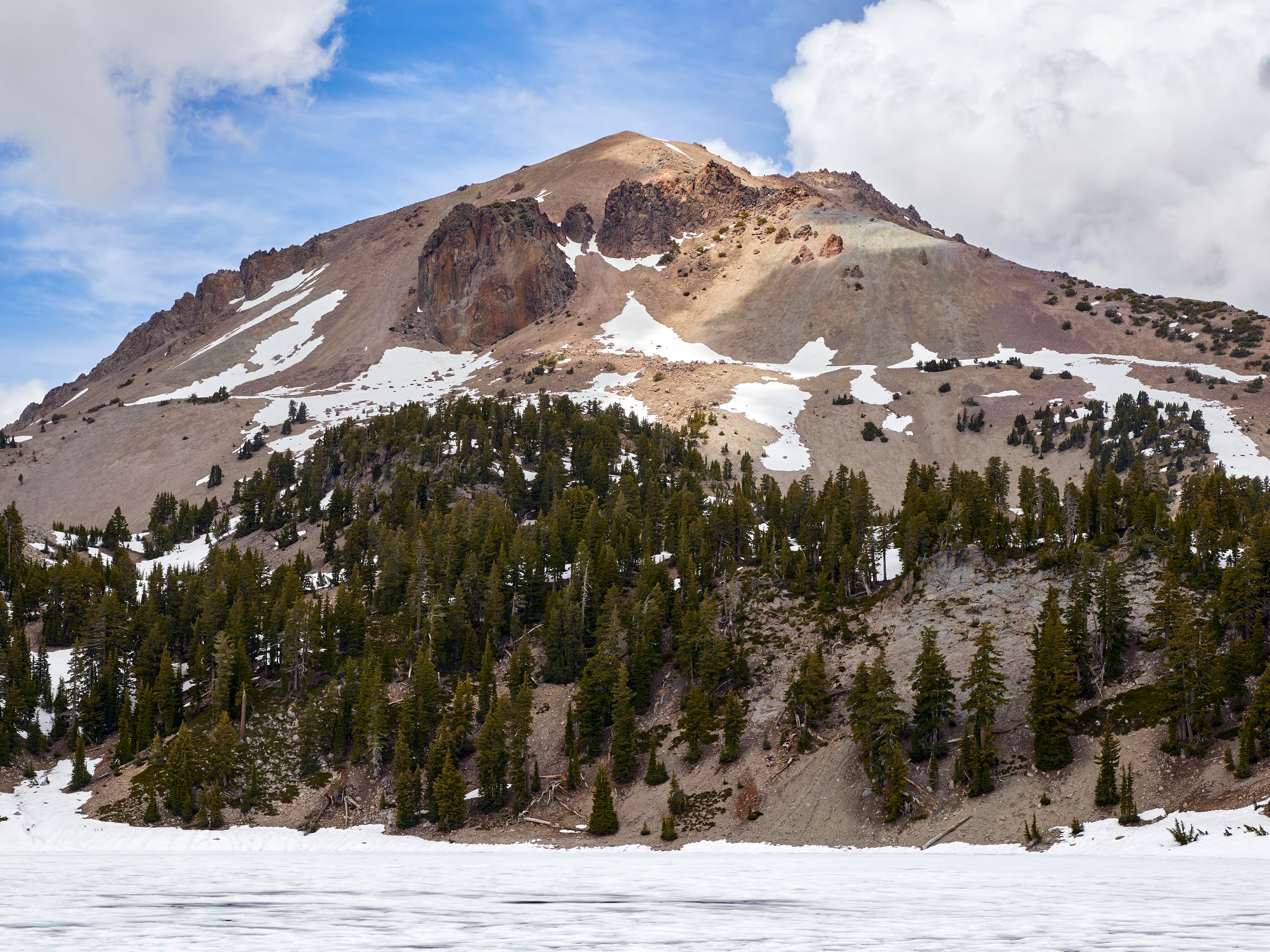
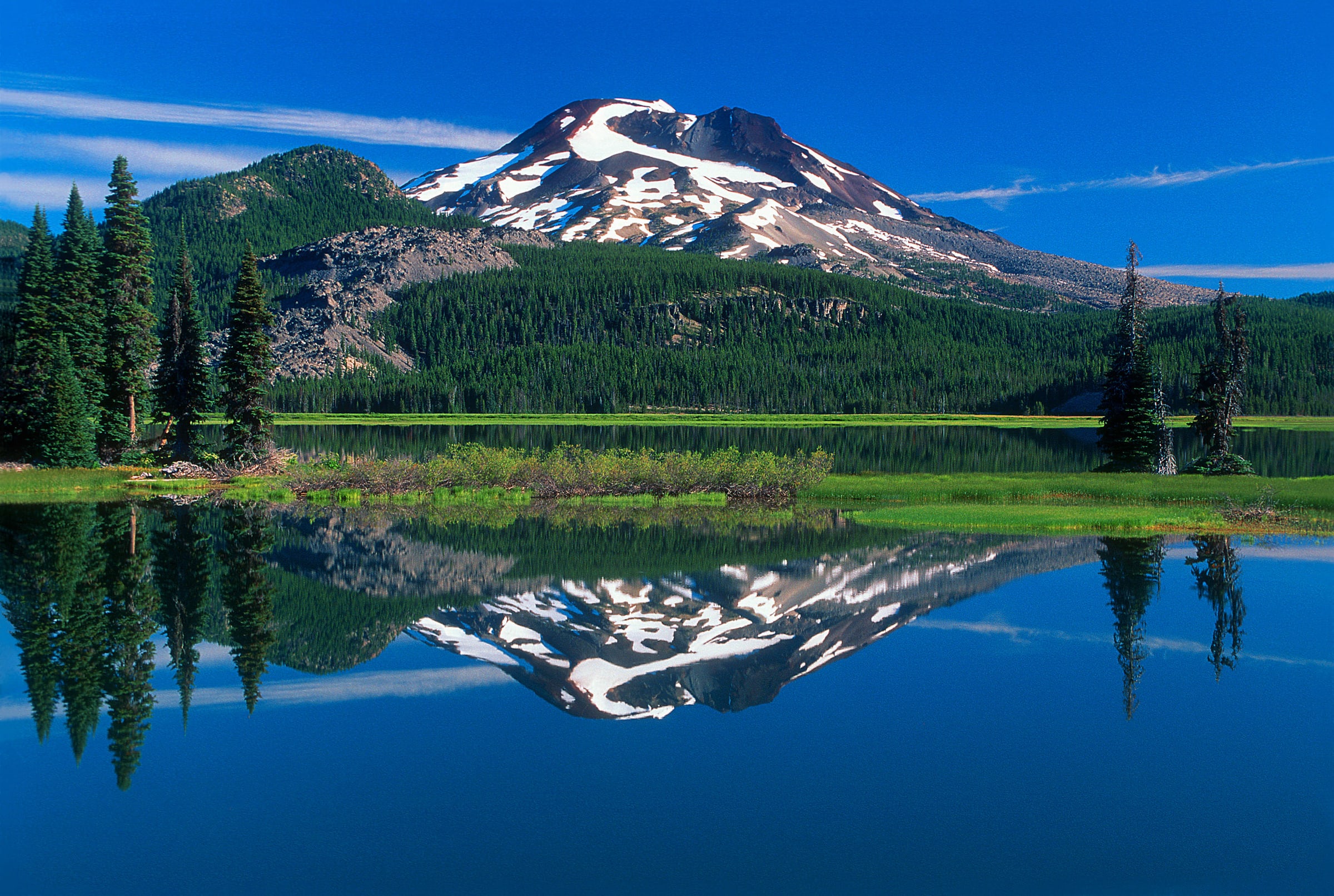
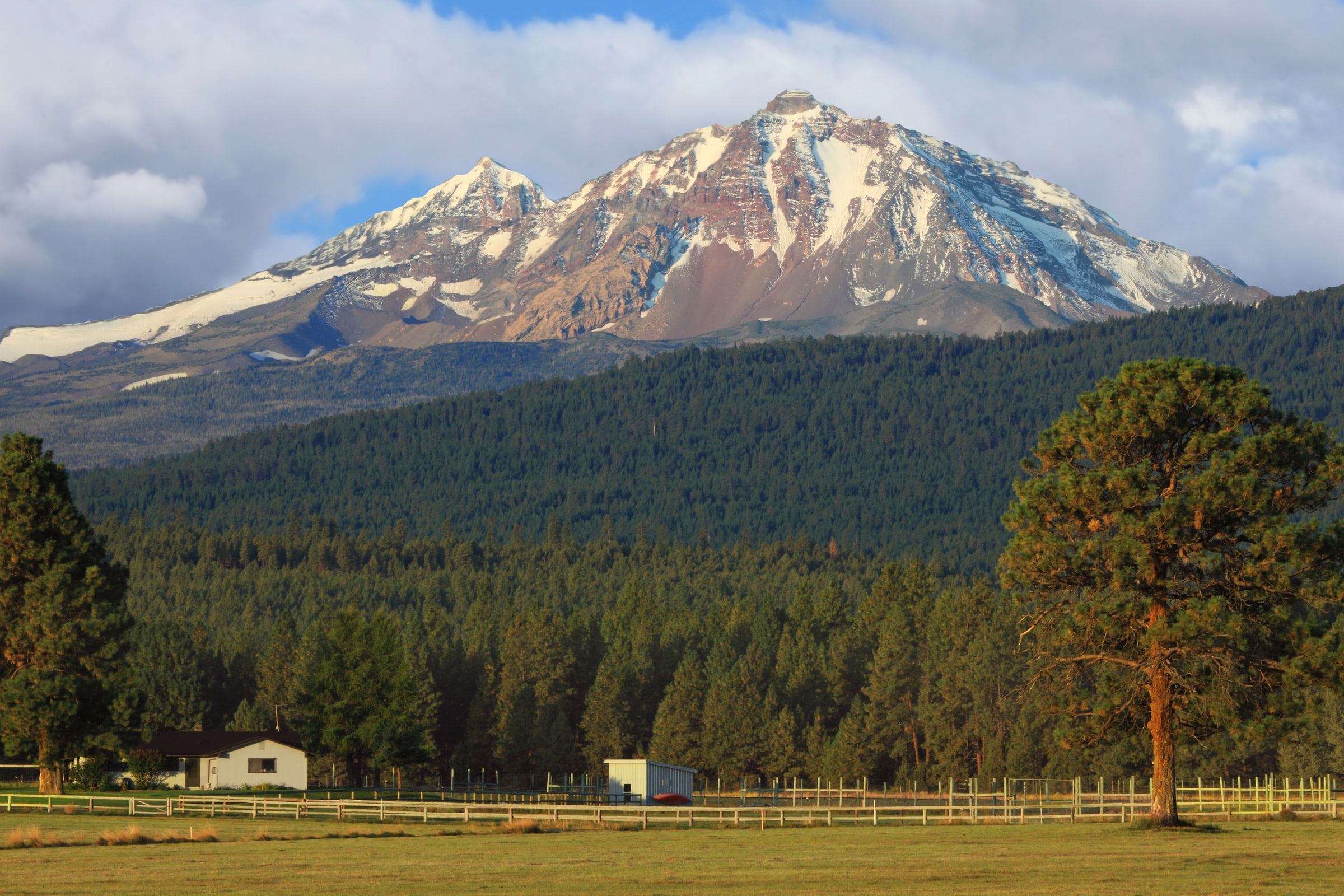
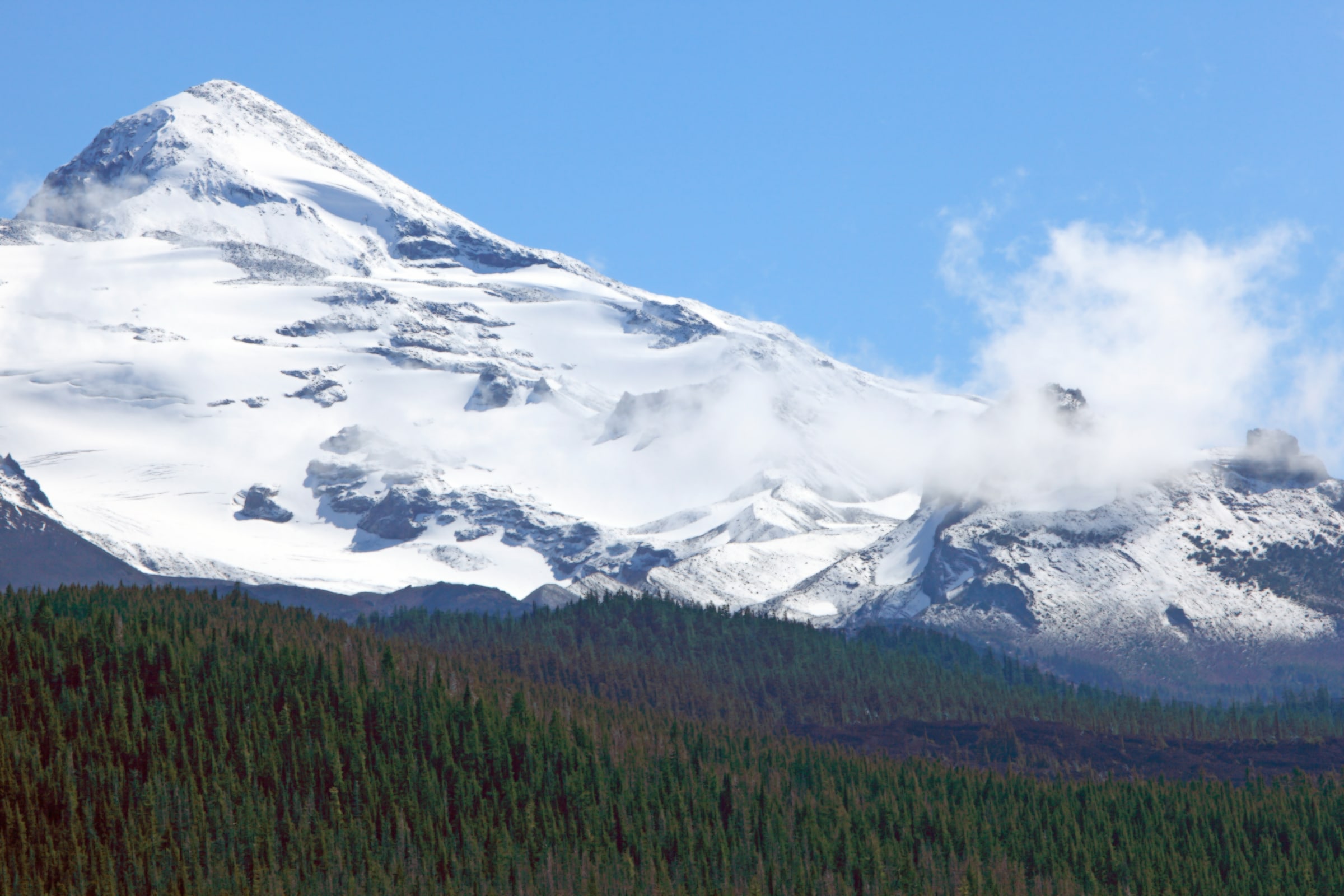
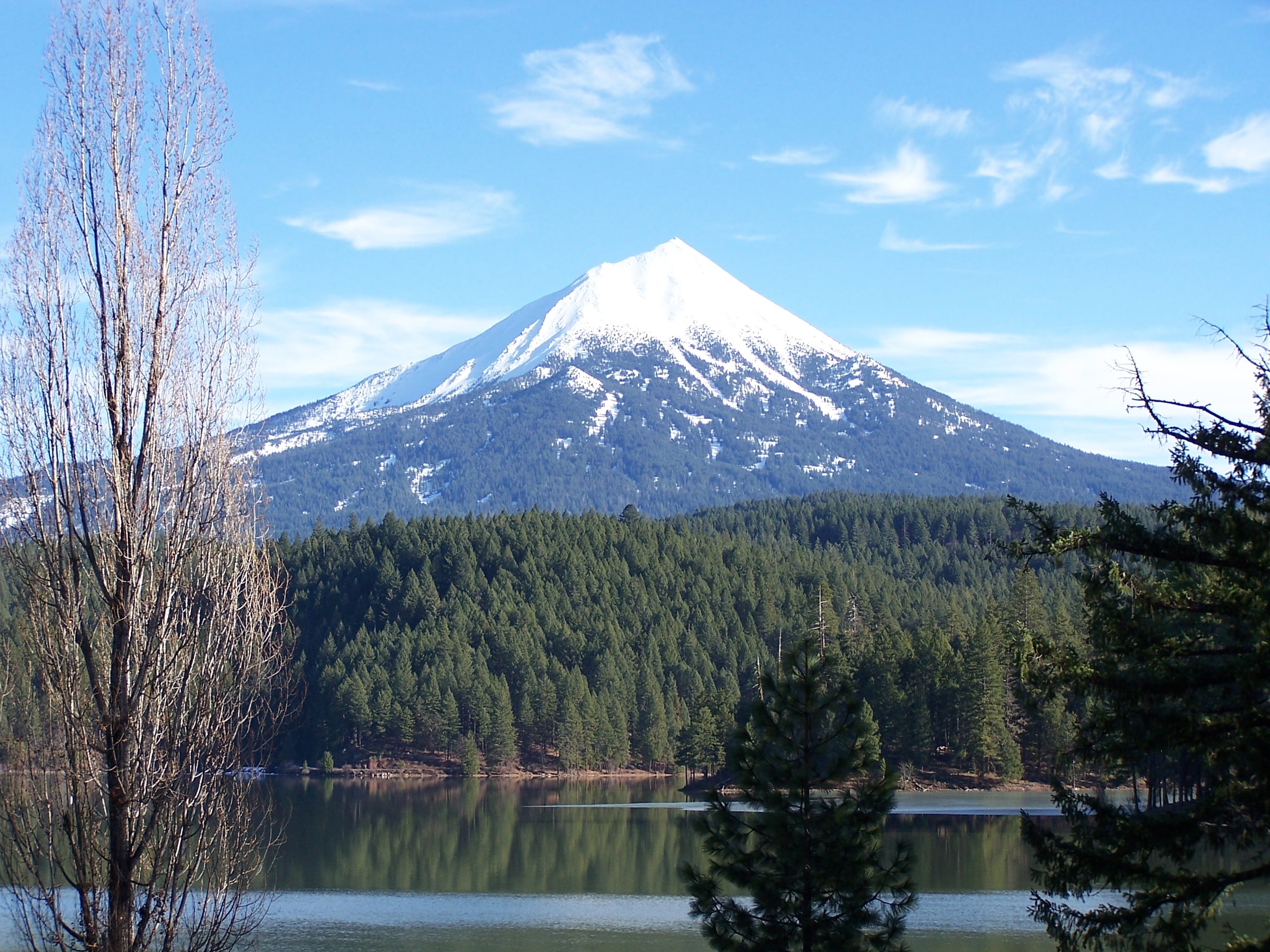
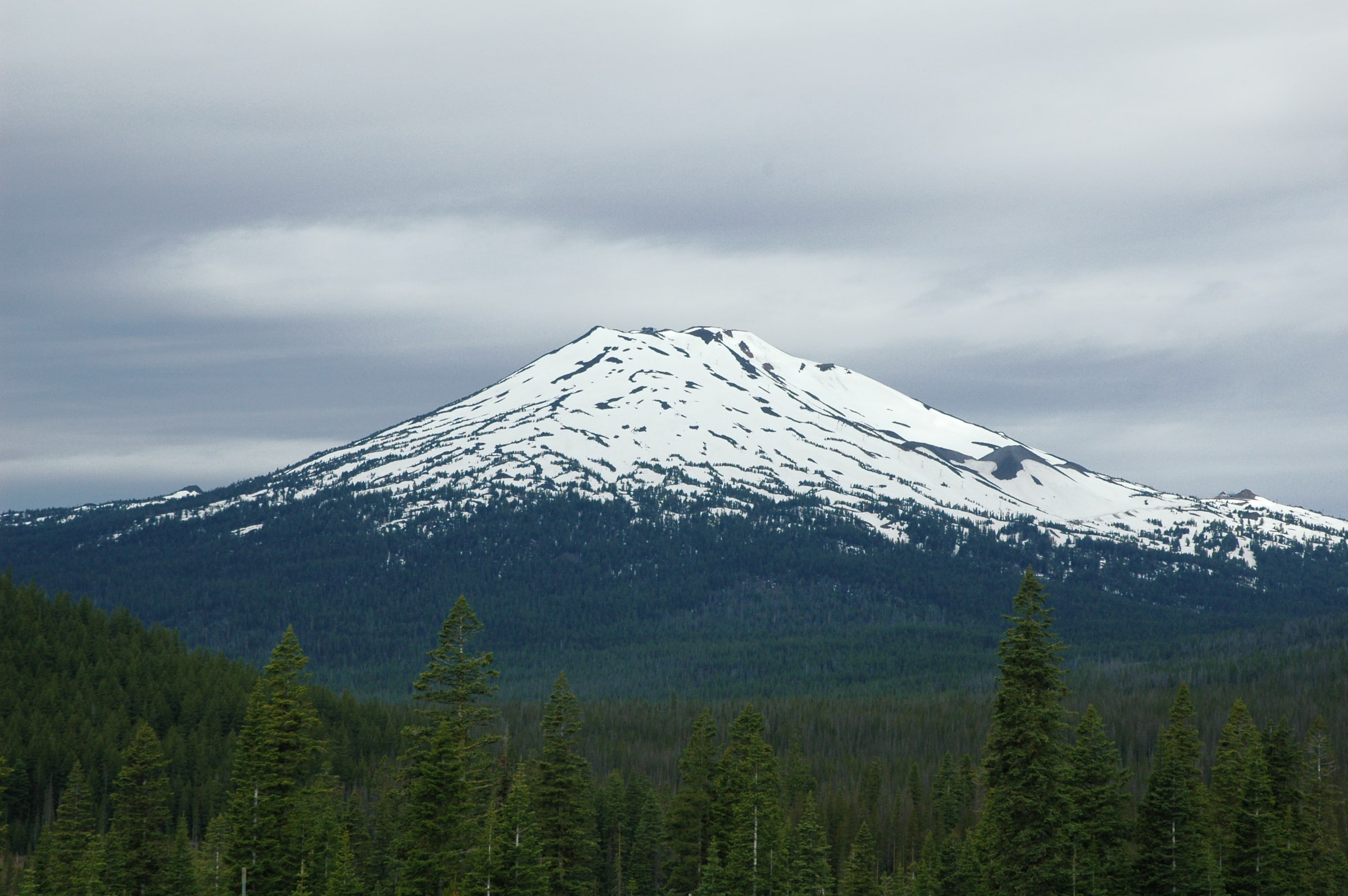
A Cascade volcano can be familiar long before you set foot on it. You recognize its outline from a road, notice when fresh snow reaches lower on its slopes, and look for it again when the clouds lift. A closer visit adds details to that distant shape. The ice, loose stone, forests, and lakes belong to mountains with long histories that are still unfolding.
A long stretch of volcanic country
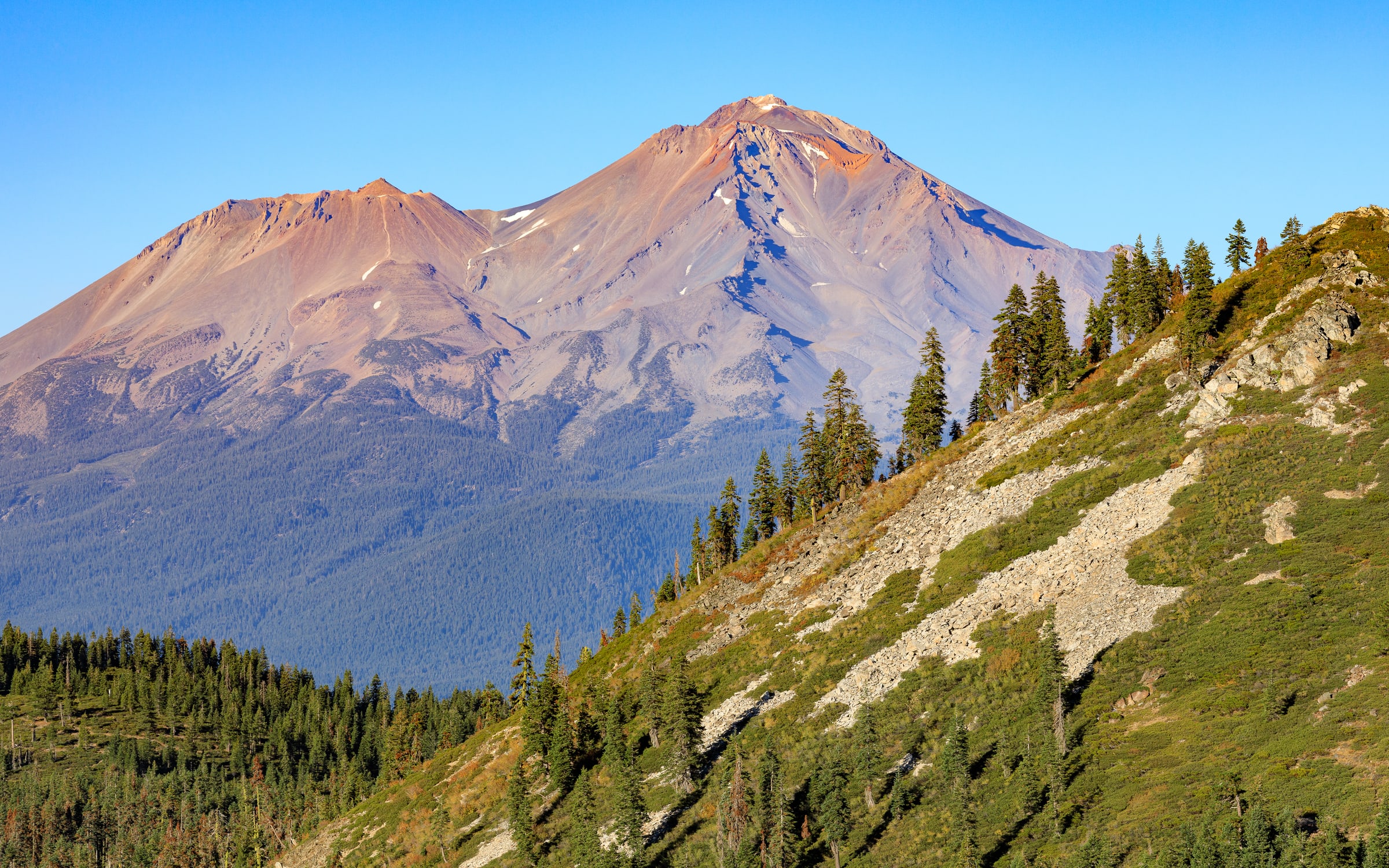
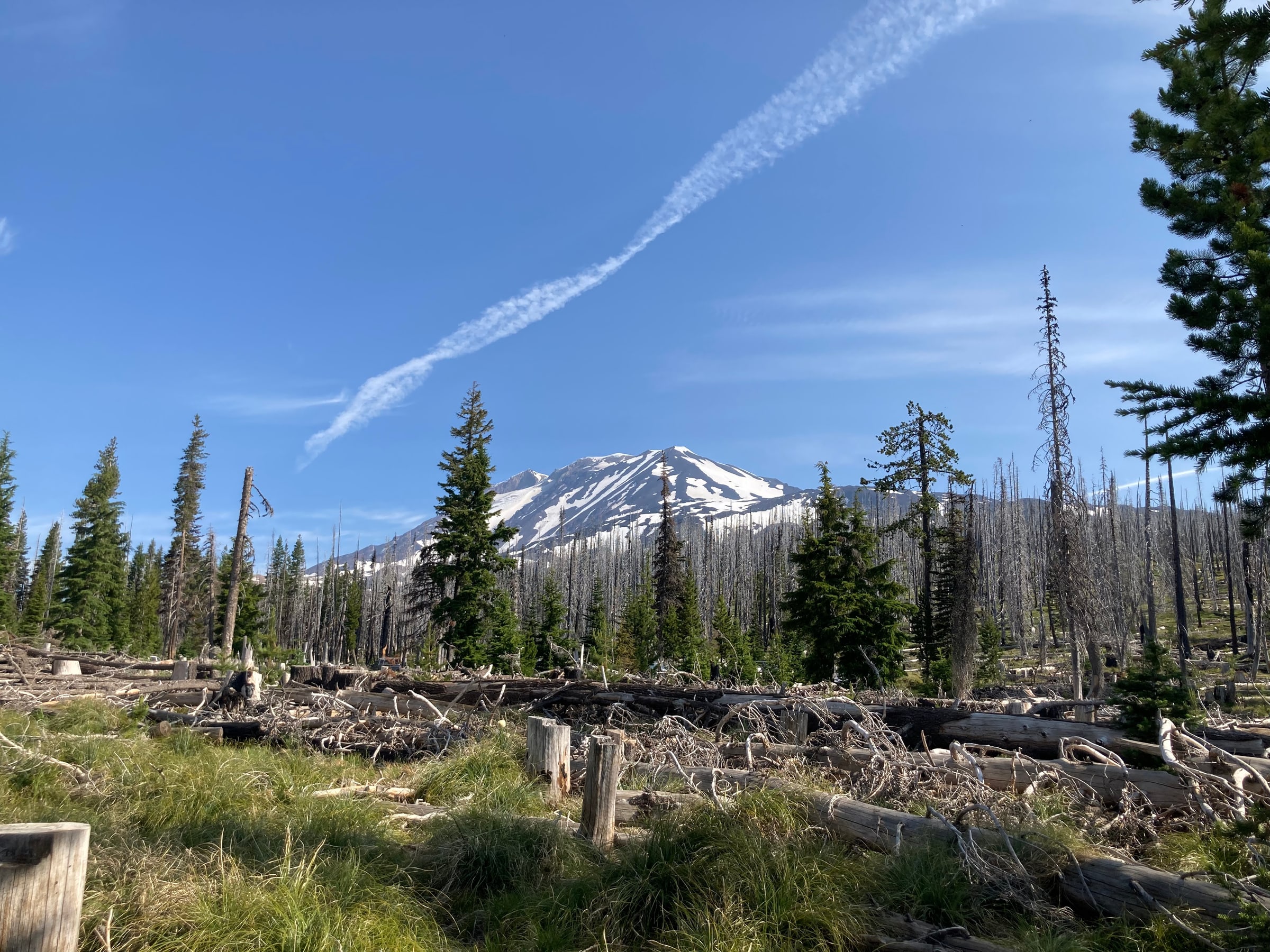
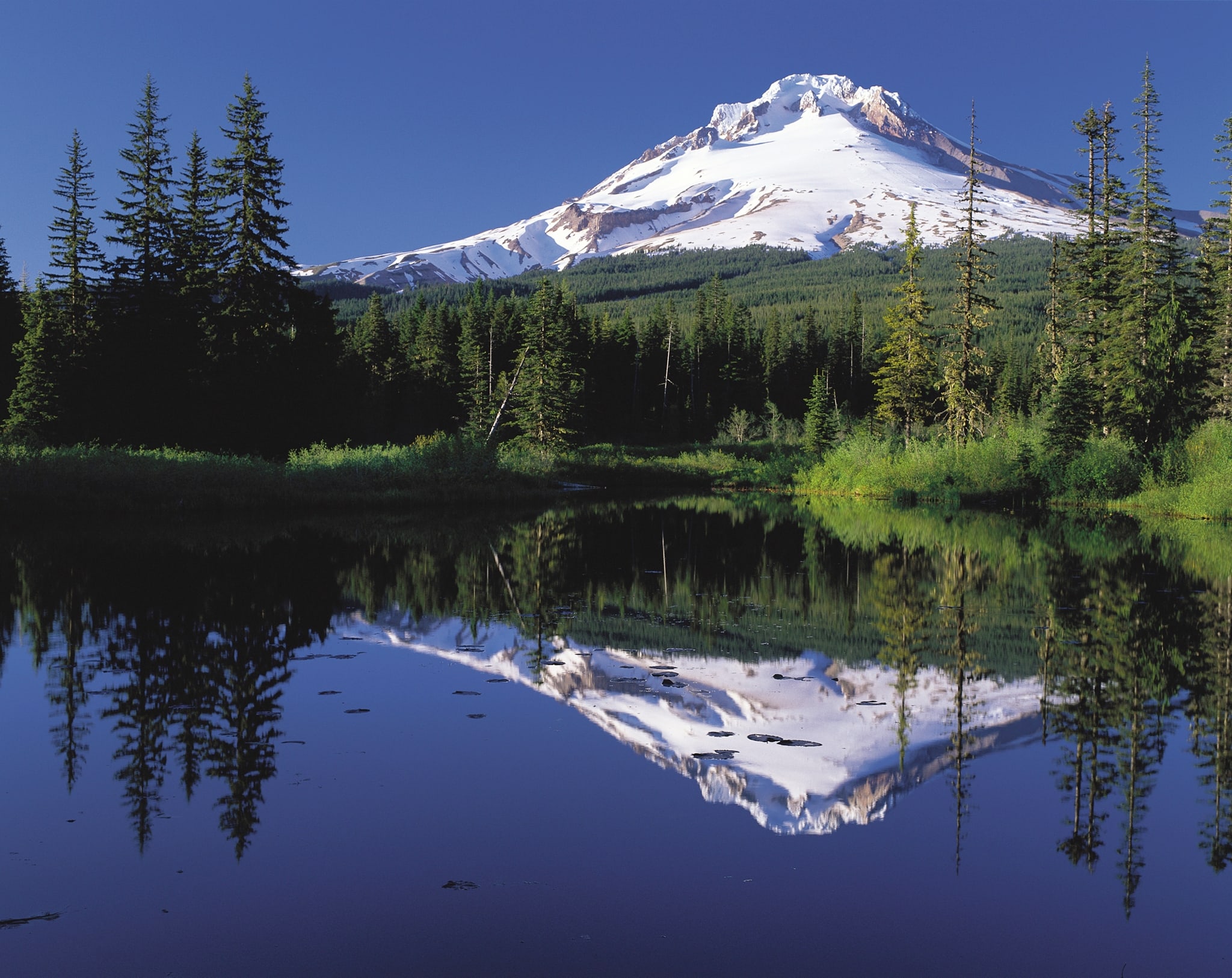
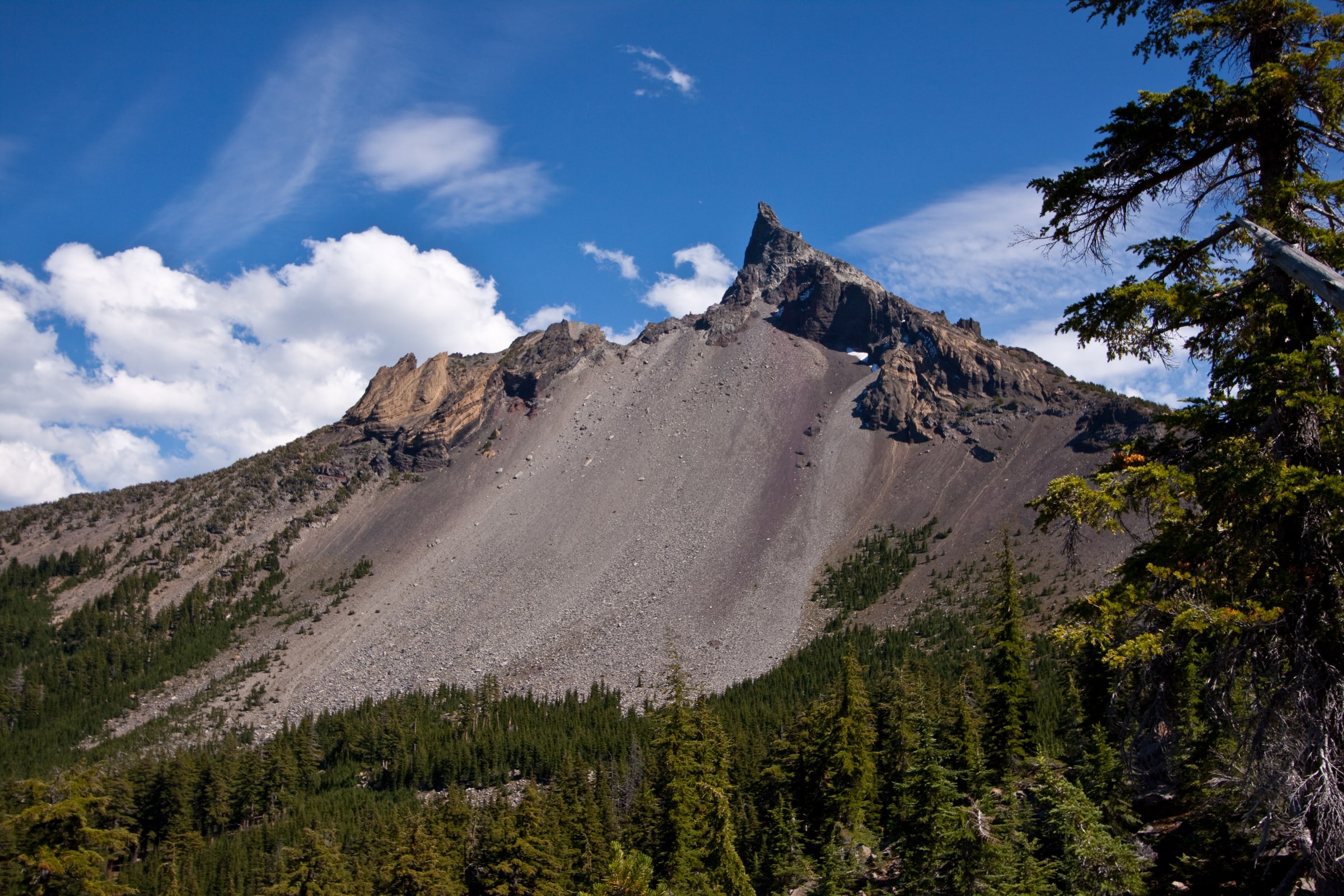
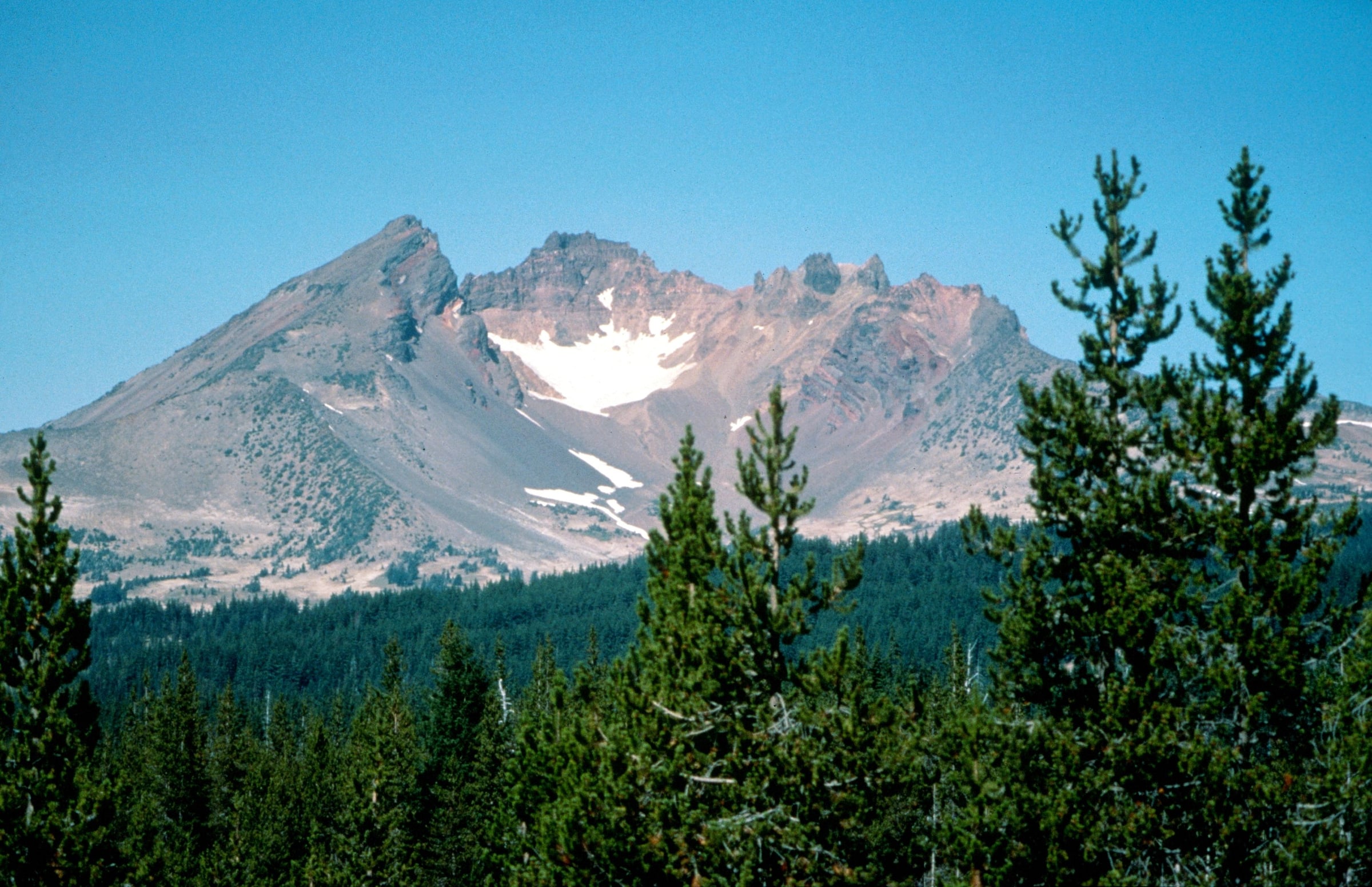
The volcanic arc extends about 800 miles from northern California into southern British Columbia. Beneath it, oceanic crust moves below North America, helping generate the magma that feeds the volcanoes. The familiar large mountains share the region with thousands of smaller volcanic features. There is more volcanic country between the famous summits than a short climbing list can show.
That wide spread makes it rewarding to get to know one part of the range at a time. Notice the smaller hills and old flows as well as the tallest peak. A view from a neighboring ridge can reveal the mountain’s shape more clearly than a climb on its own slopes, where the next bend may hide almost everything above you.
Rainier’s ice has names
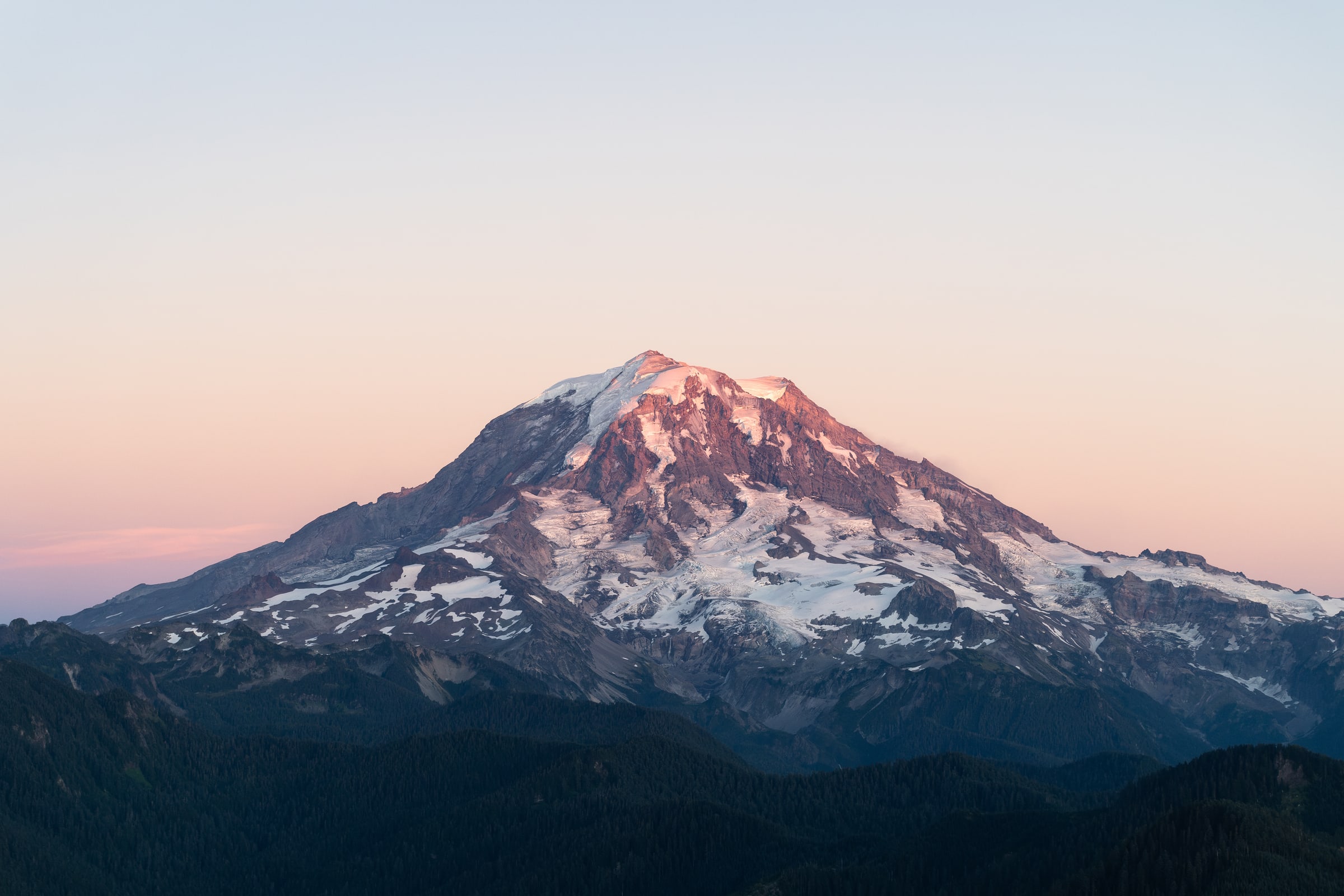
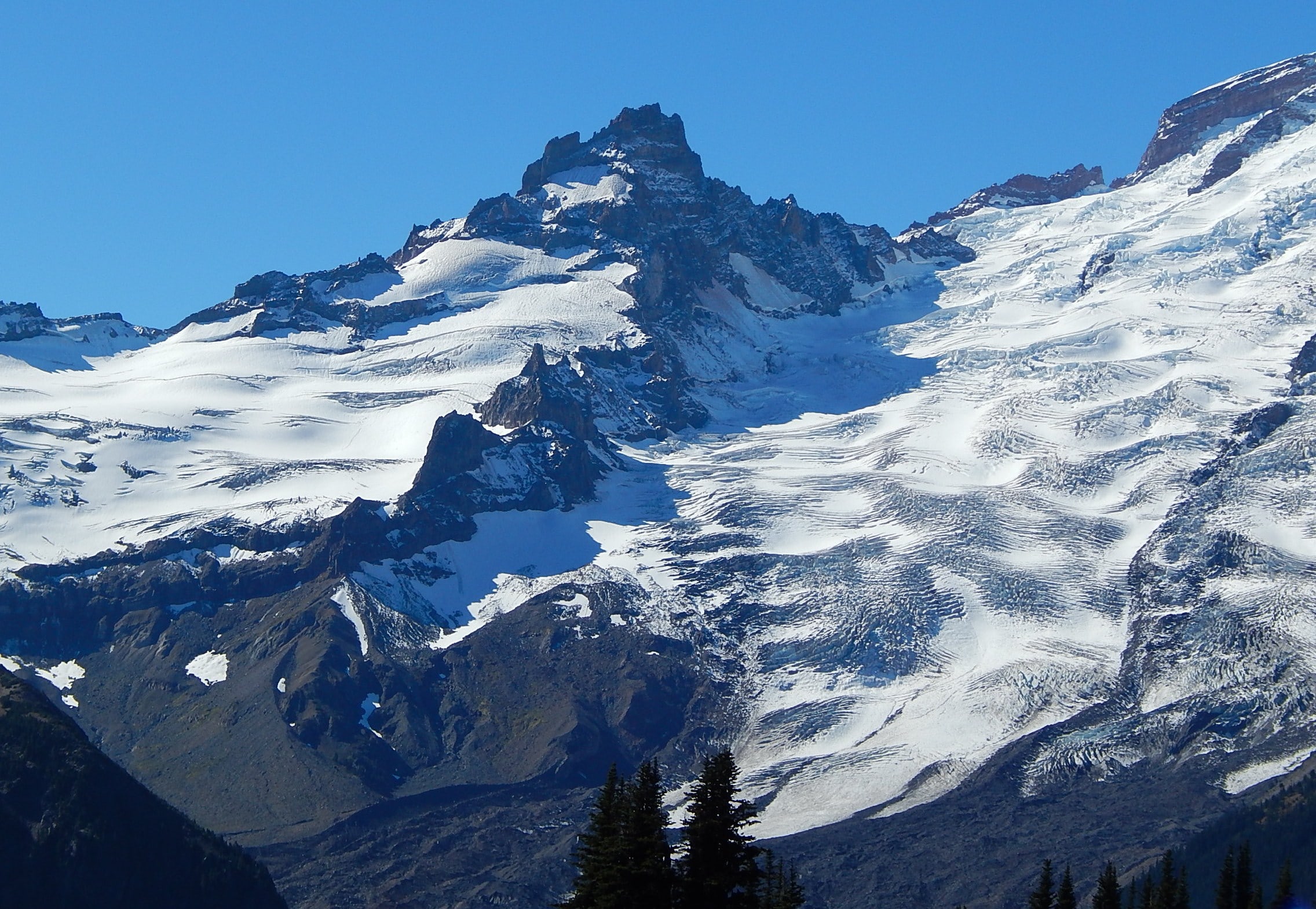
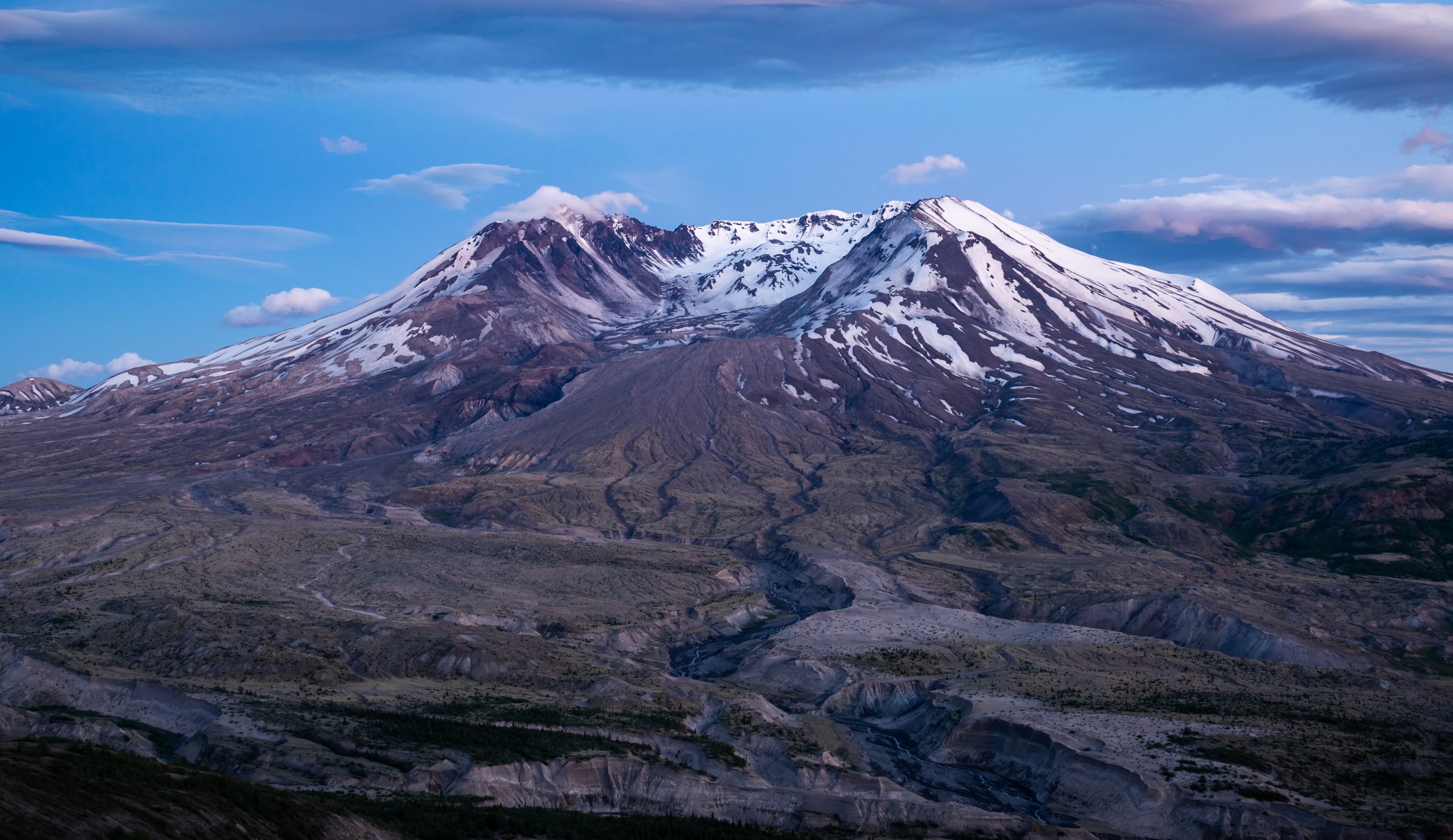
The white on Mount Rainier resolves into separate glaciers when you look closely. Carbon, Emmons, Nisqually, and the others occupy different sides of the mountain and have their own shapes and histories. The Park Service’s glacier guide describes where to see them. Learning just one name gives you something specific to look for on the next clear day.
Seasonal snow can hide the boundaries between ice and rock, then reveal them again as it melts. A familiar view becomes easier to read with each return: a dark ridge between glaciers, a valley below, a section of ice that was less apparent last time. The mountain’s many sides give even a distant observer plenty to get to know.
A volcano with lakes inside
Newberry, in central Oregon, invites a different sort of attention. Paulina Lake and East Lake occupy a caldera, a broad depression formed when the summit collapsed during an eruption. From Paulina Peak, the lakes sit below the rim alongside younger volcanic features. The mostly bare Big Obsidian Flow stands out against the surrounding forest.
Here, a lake visit can also be a way to get to know a volcano. Water, trees, and old lava belong to the same place; the quiet appearance does not mean its volcanic history has ended. Use the land manager’s current information for walks and access, and USGS for the geology. Following that curiosity can lead well beyond the few high summits that first caught your eye.