Colorado 14ers
Beyond the last trees, a closer look at the high country.
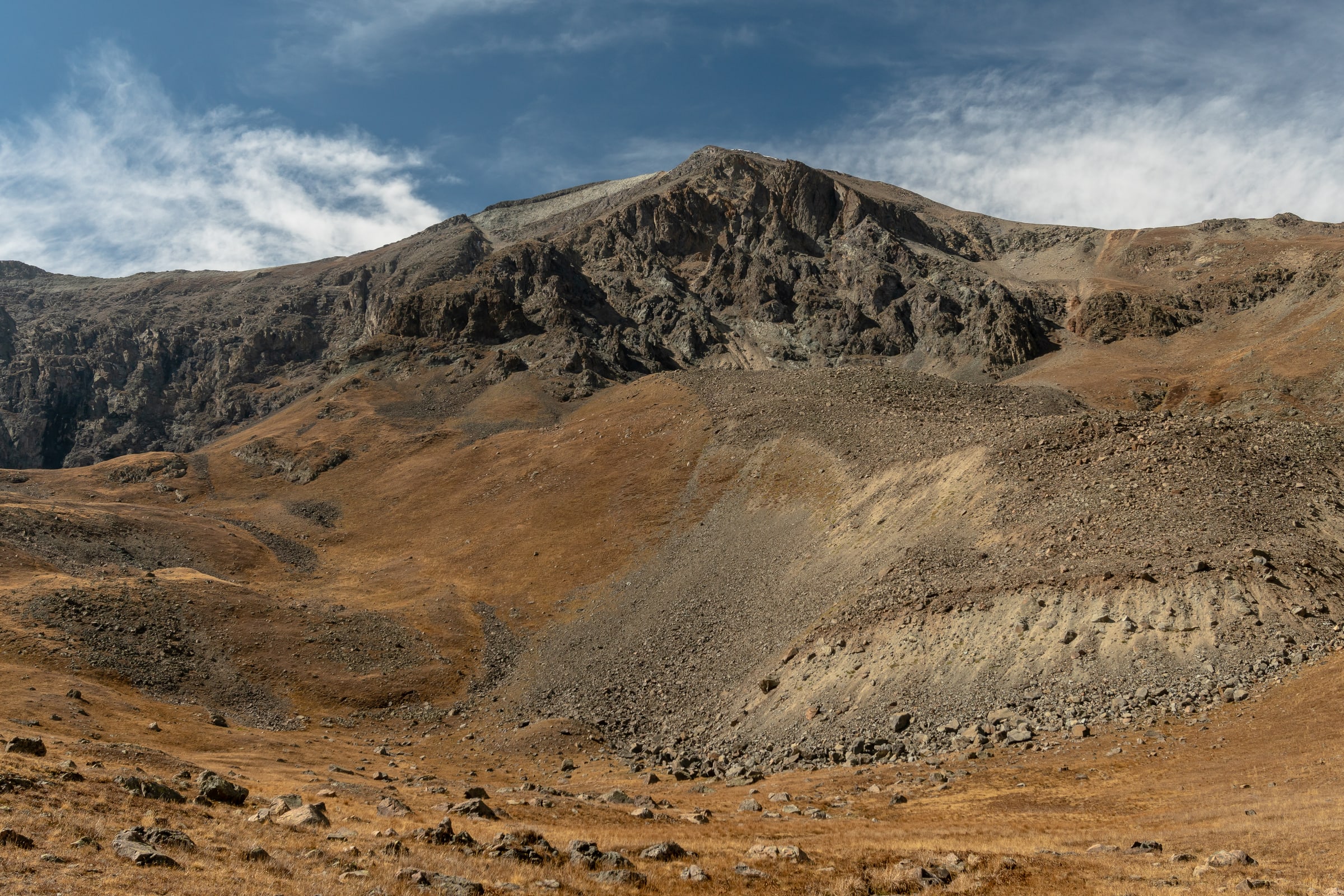
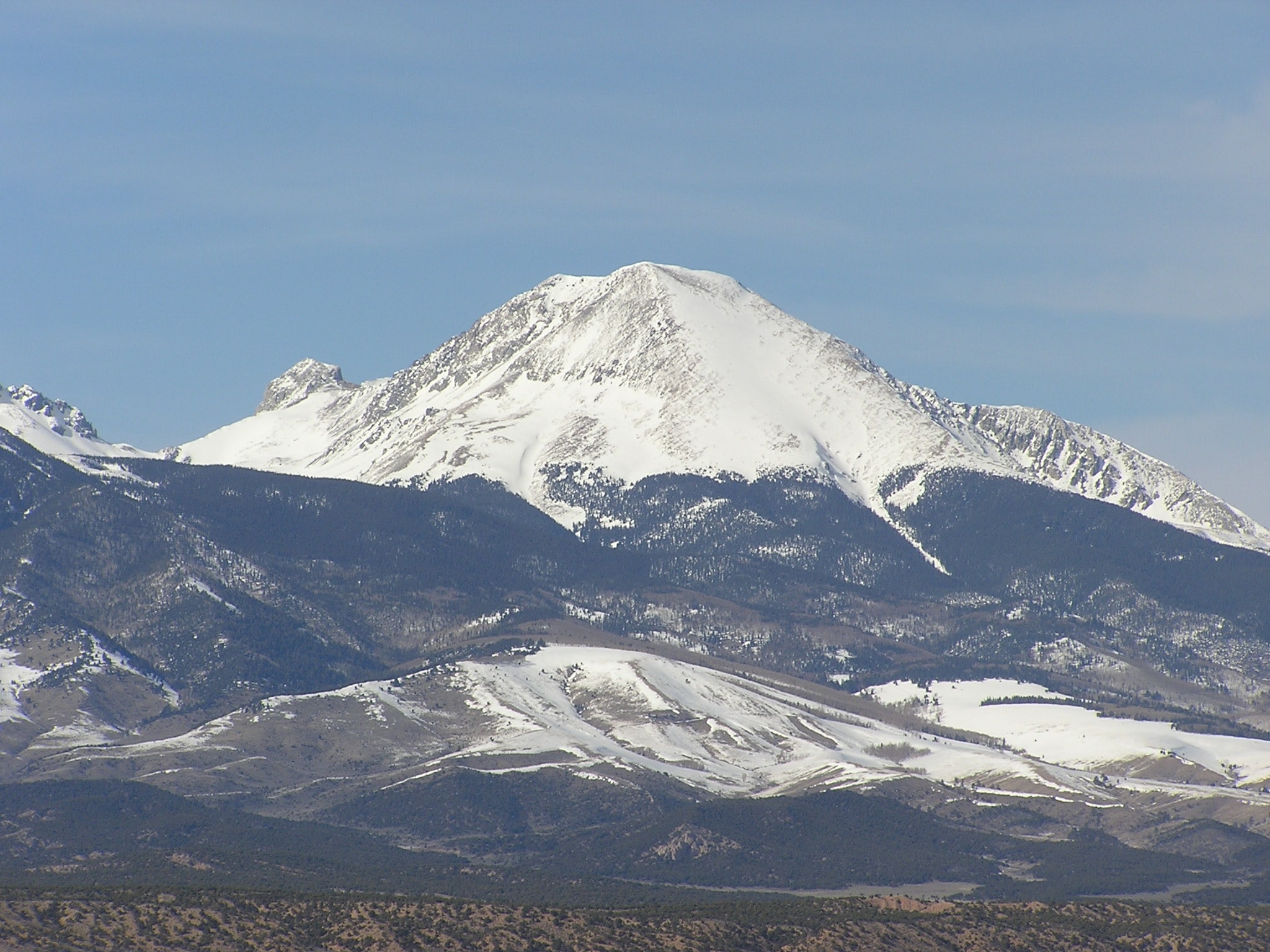
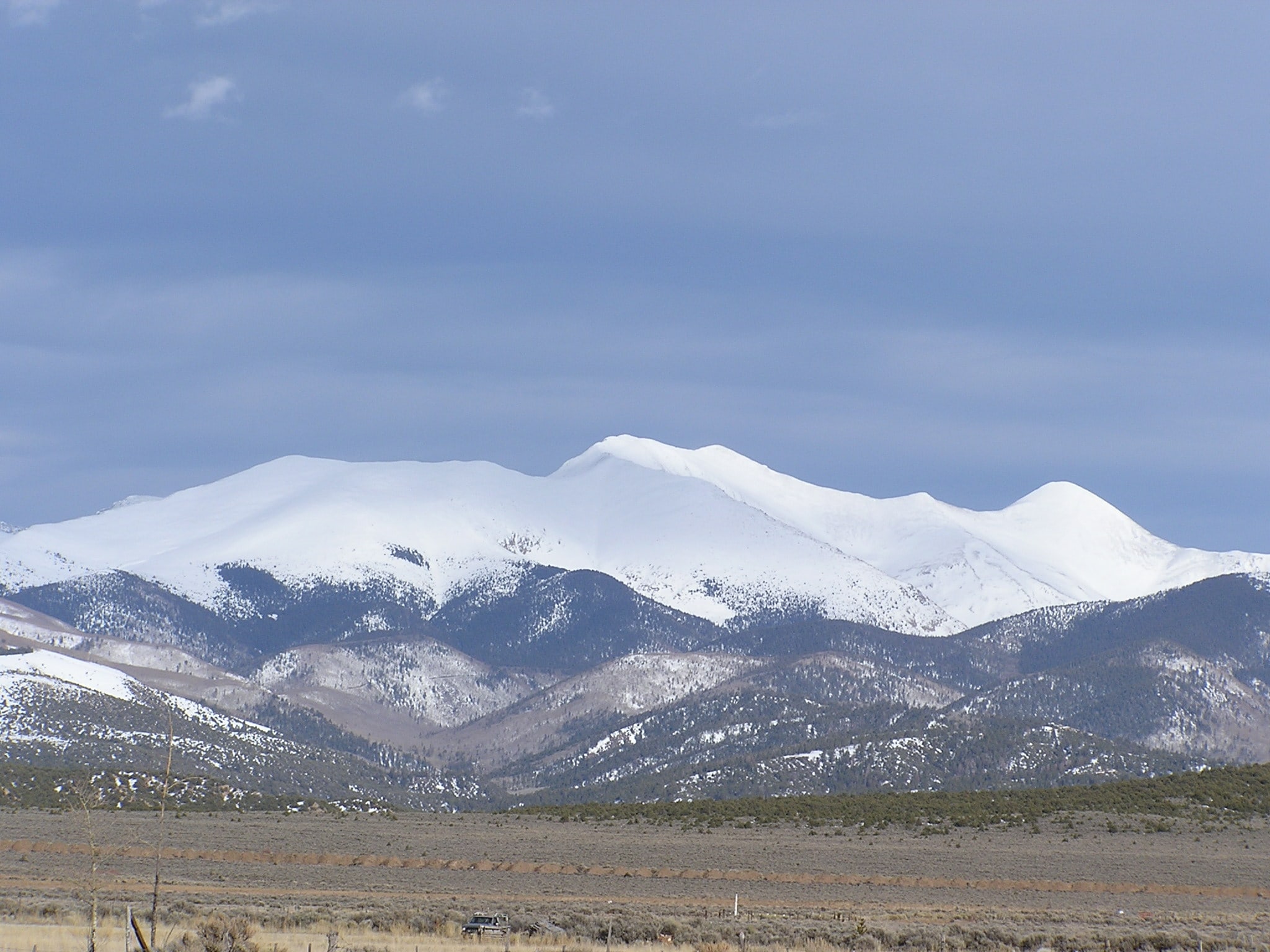
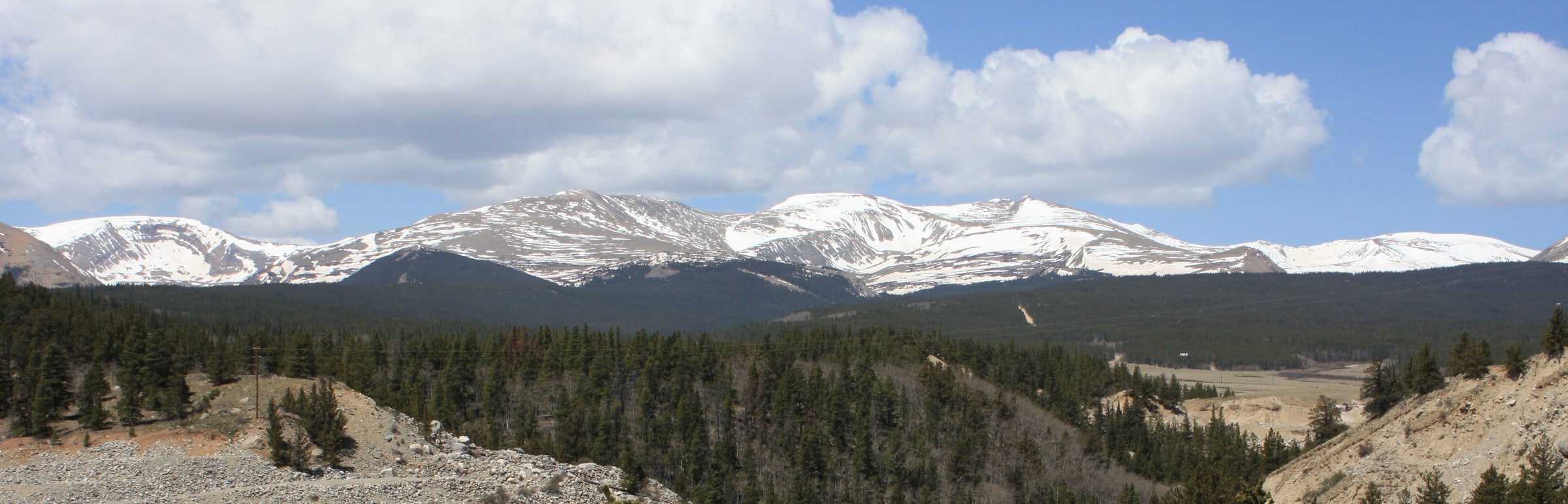
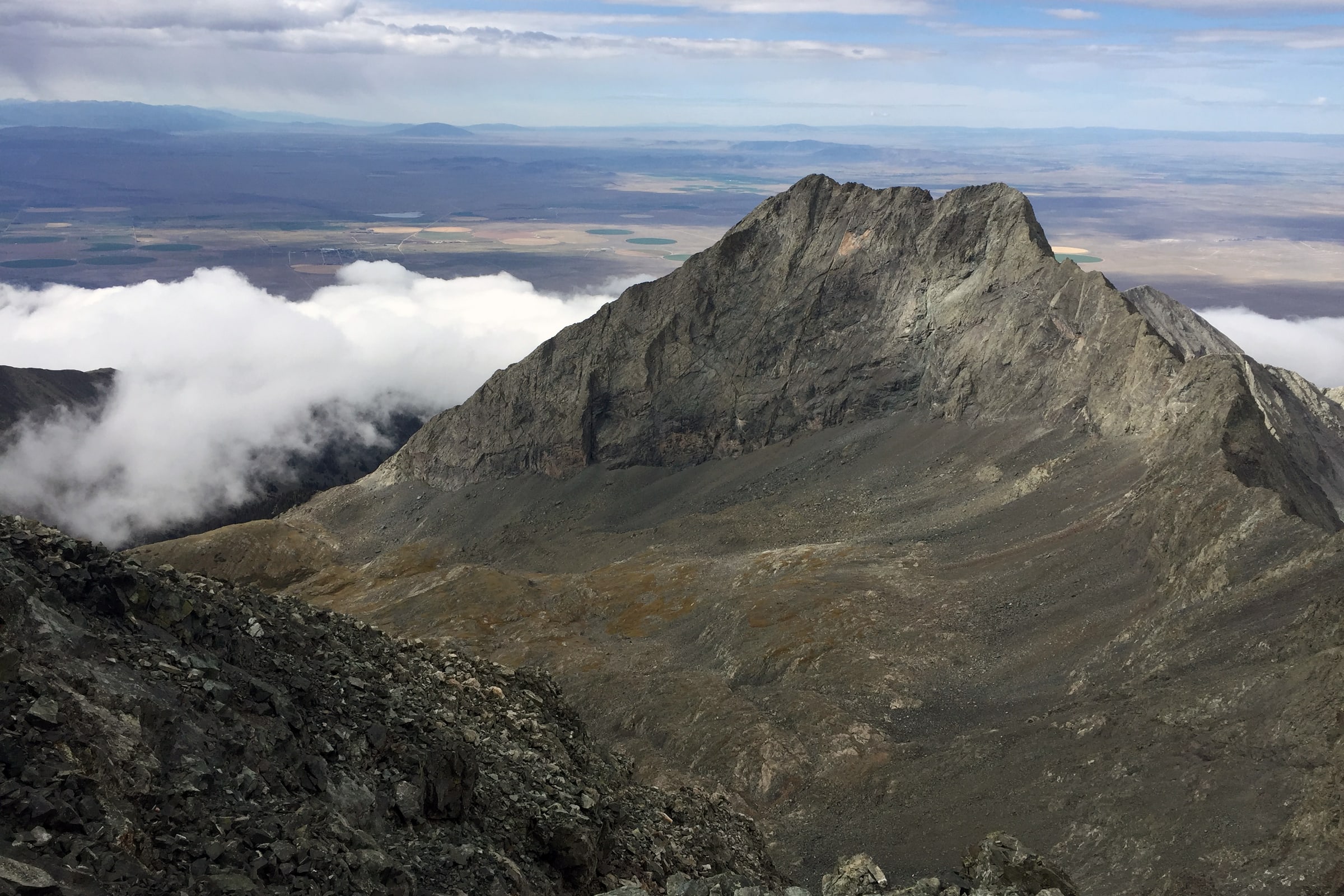
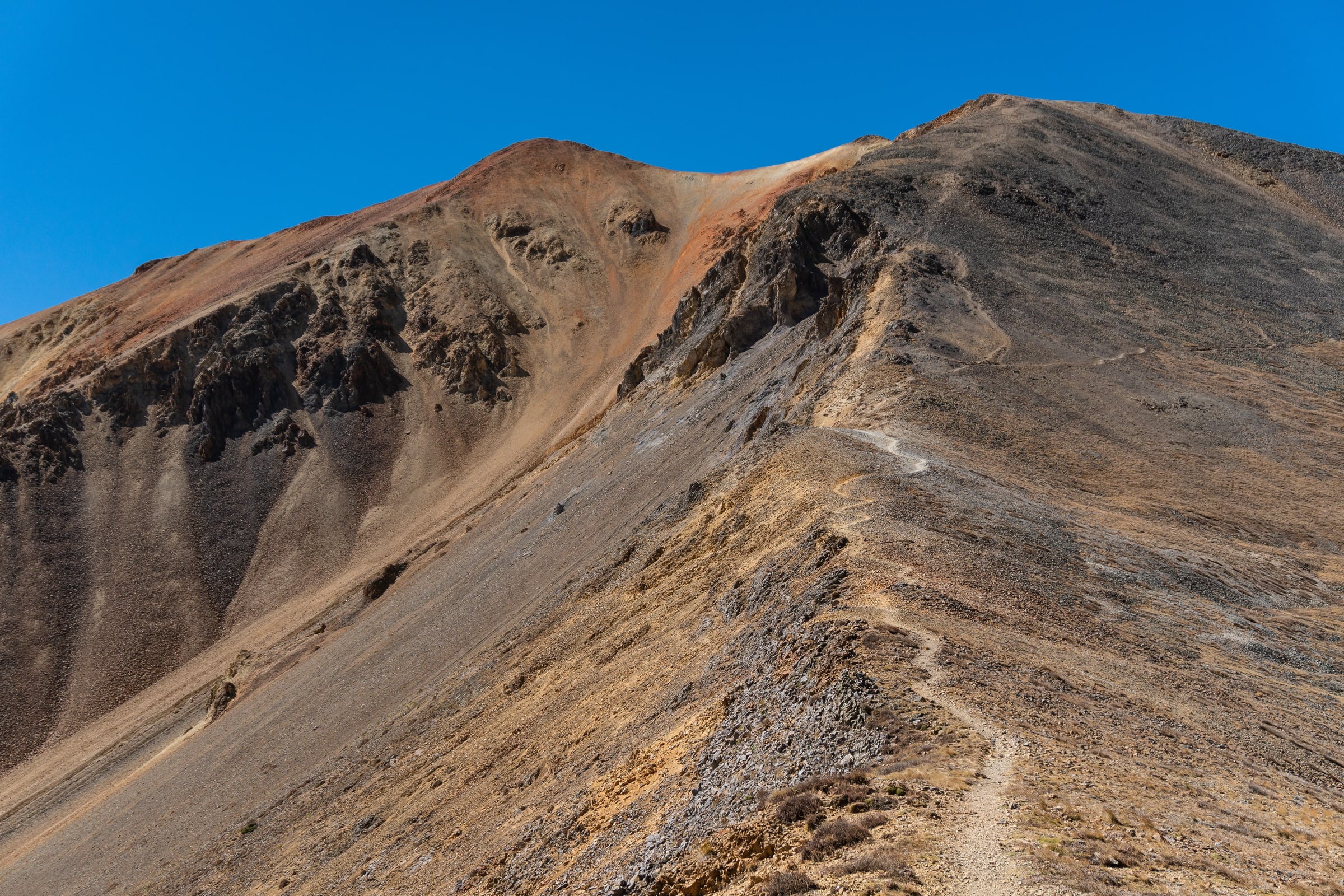
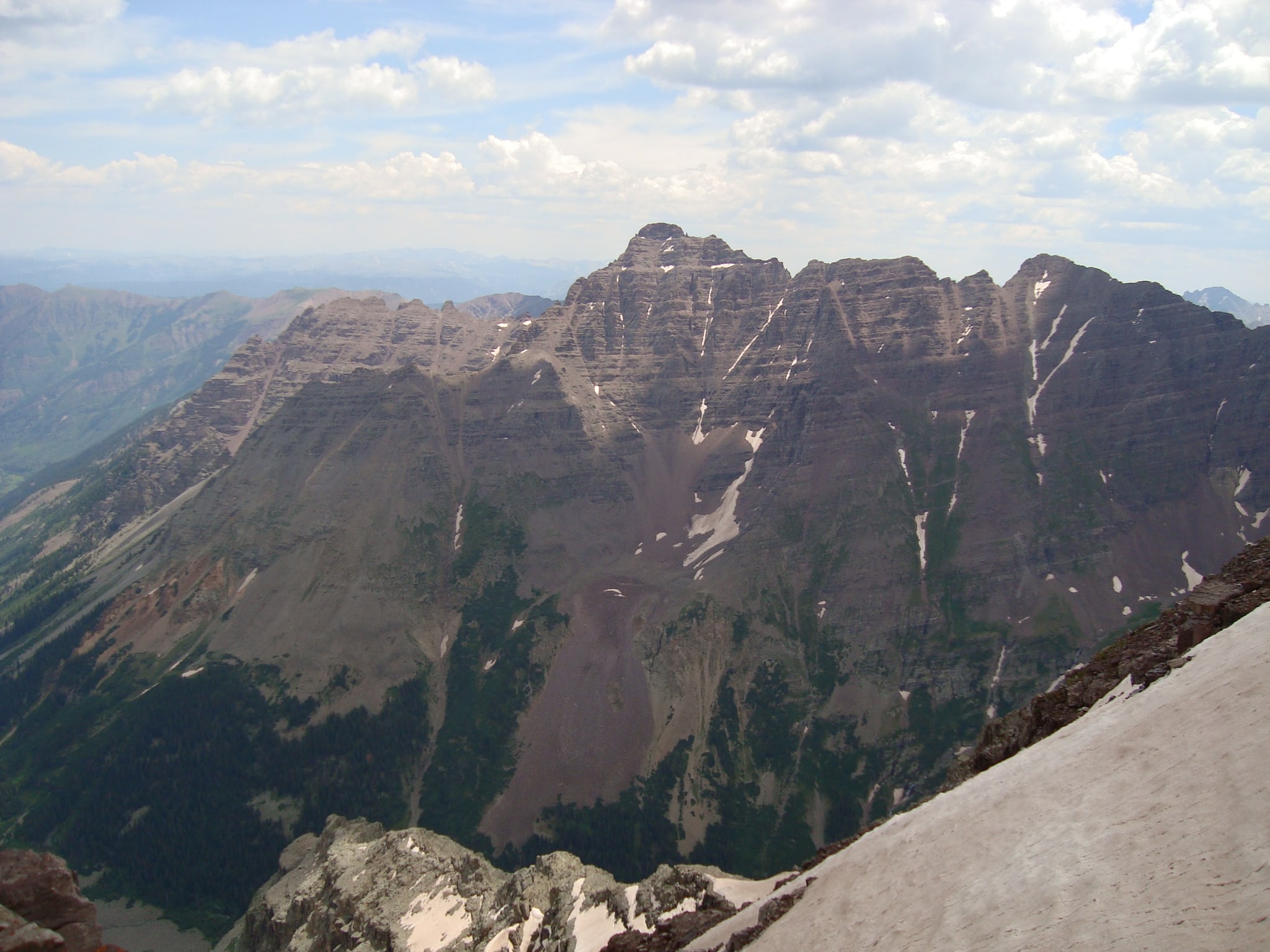
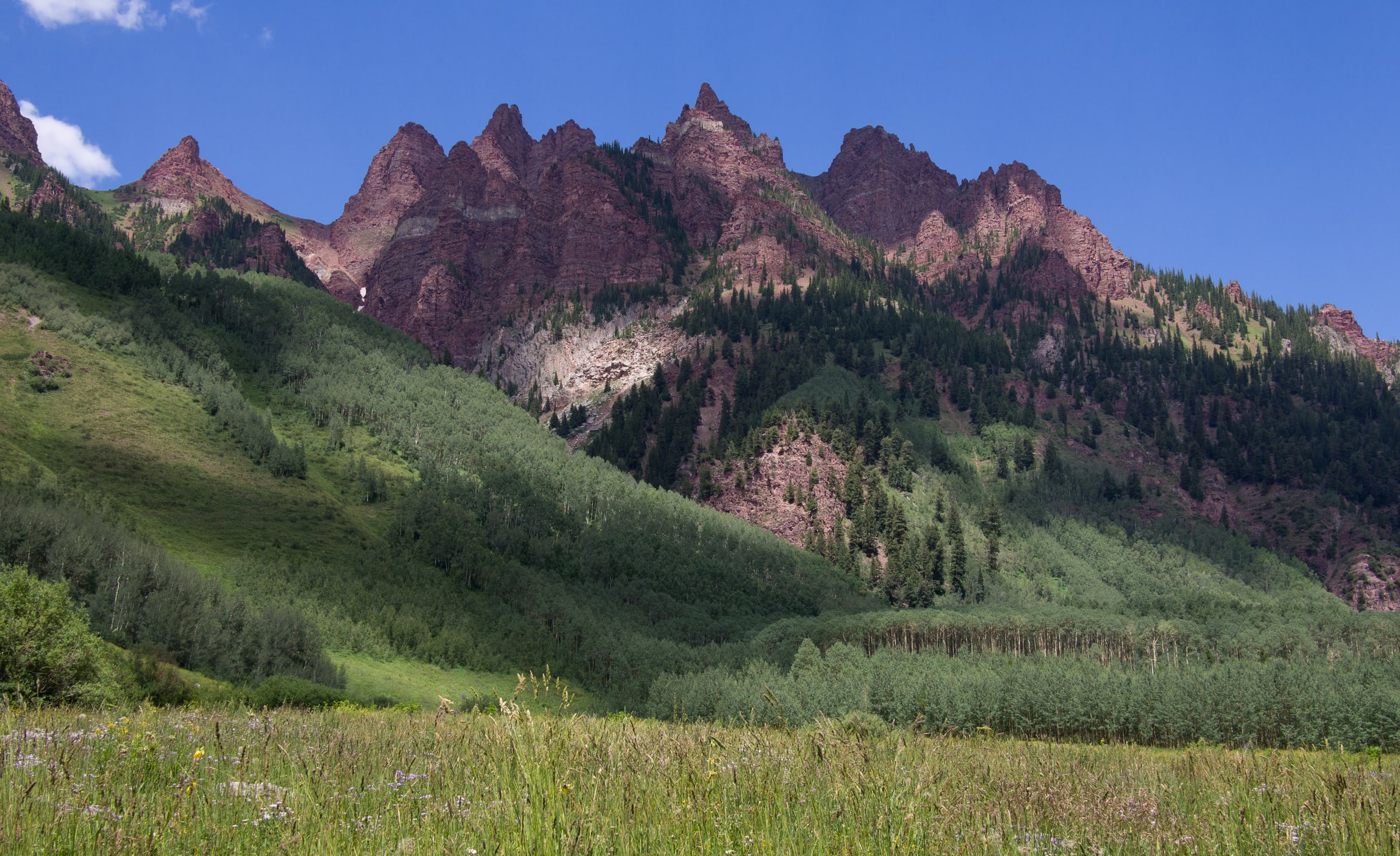
There is a point on a Colorado mountain walk when the trees stop being the tallest things nearby. The sky takes up more of the view, the wind has less in its way, and even a small flower is worth a second look. Fourteen thousand feet gives these mountains a shared name. The interest lies in everything that makes a day on one different from a day on the next.
The number that starts the conversation
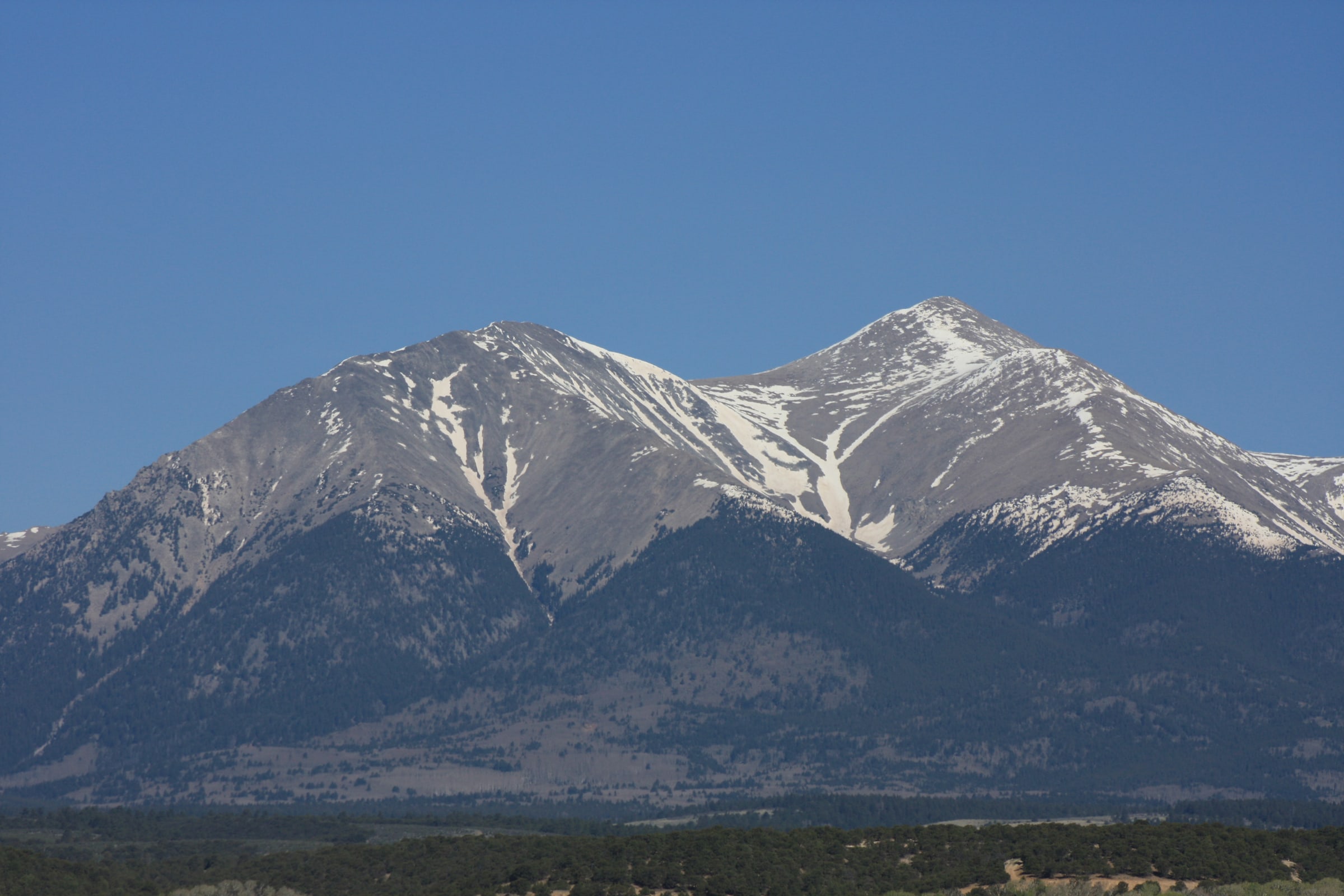
You will hear both 53 and 58 when people talk about Colorado’s fourteeners. The ranked list uses a 300-foot prominence rule: a summit must rise that far above the connecting saddle to higher ground. The longer list includes five named summits that do not meet that rule. It is a difference in how the peaks are counted, rather than a dispute about whether there is a mountain there.
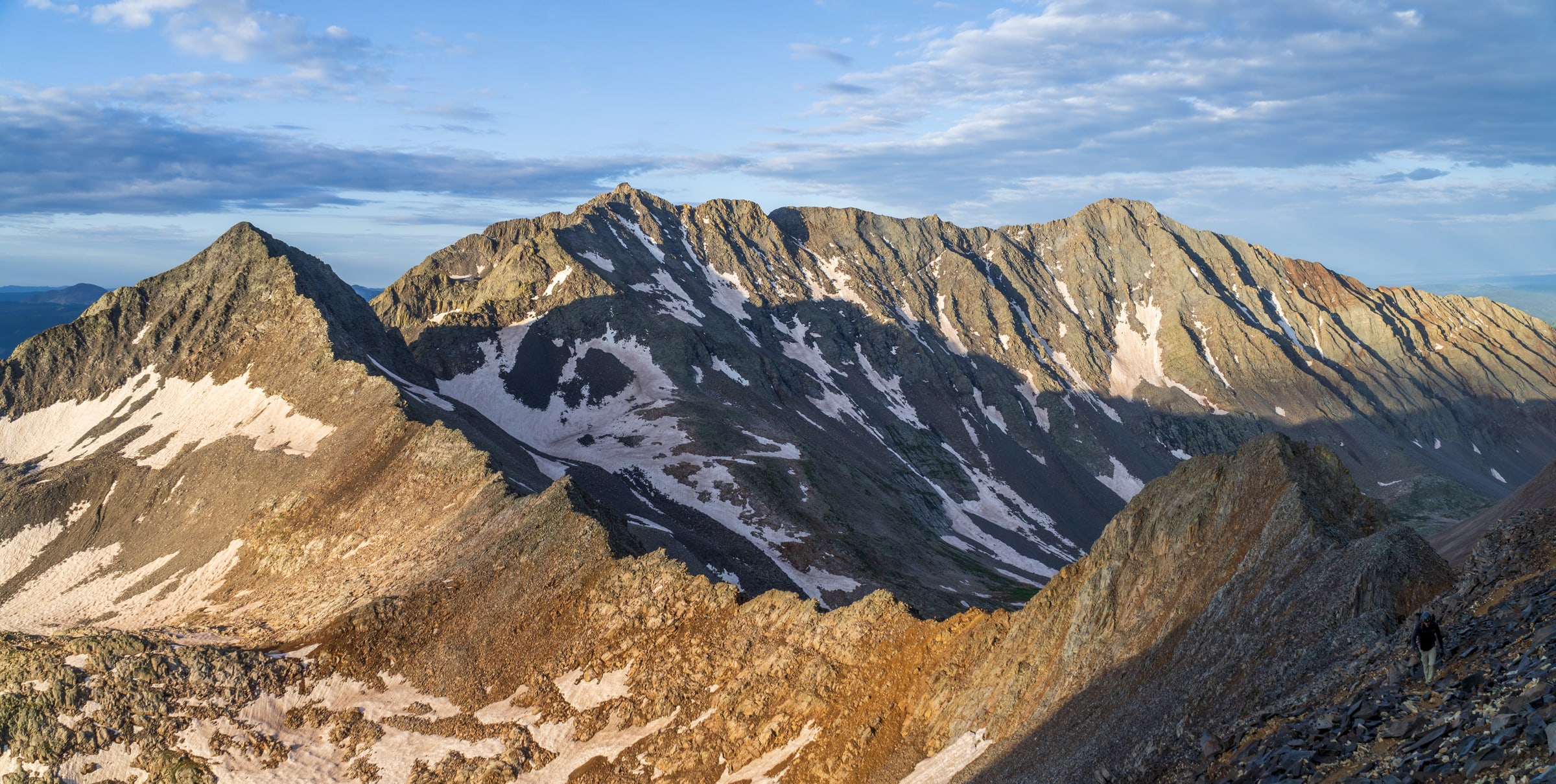
The names are more useful than the total when you begin to know the country. Two summits can share a ridge yet ask for quite different climbs. Keep the list as a way to find places that interest you, and give yourself room to return to a favorite. A second visit can tell you something the first one did not.
Look down as well as out
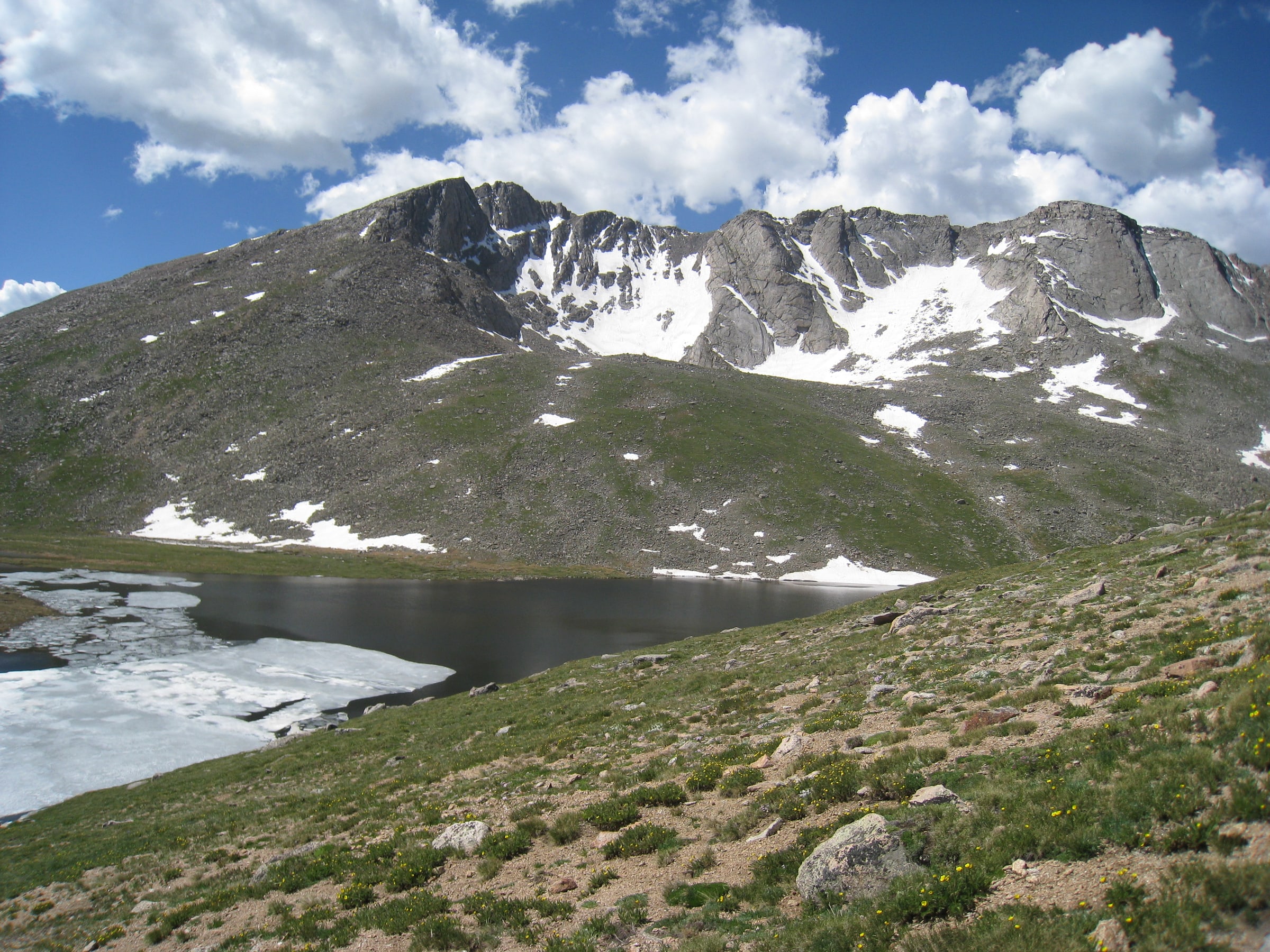
In Rocky Mountain National Park, alpine tundra begins around 11,000 to 11,500 feet, depending on the slope’s exposure. Plants stay close to the ground, where they can shelter from the wind. Some take more than a year to form a flower bud before opening it during the short summer. A patch of flowers beside the trail deserves more than a passing glance.
Some cushion plants resemble small clumps of moss. Others have fine hairs on their leaves and stems that help protect them from wind. Up close, the apparently bare ground becomes a place of varied shapes and colors. These plants are vulnerable to repeated footsteps, so the established trail is the place to see them from.
Get to know one route
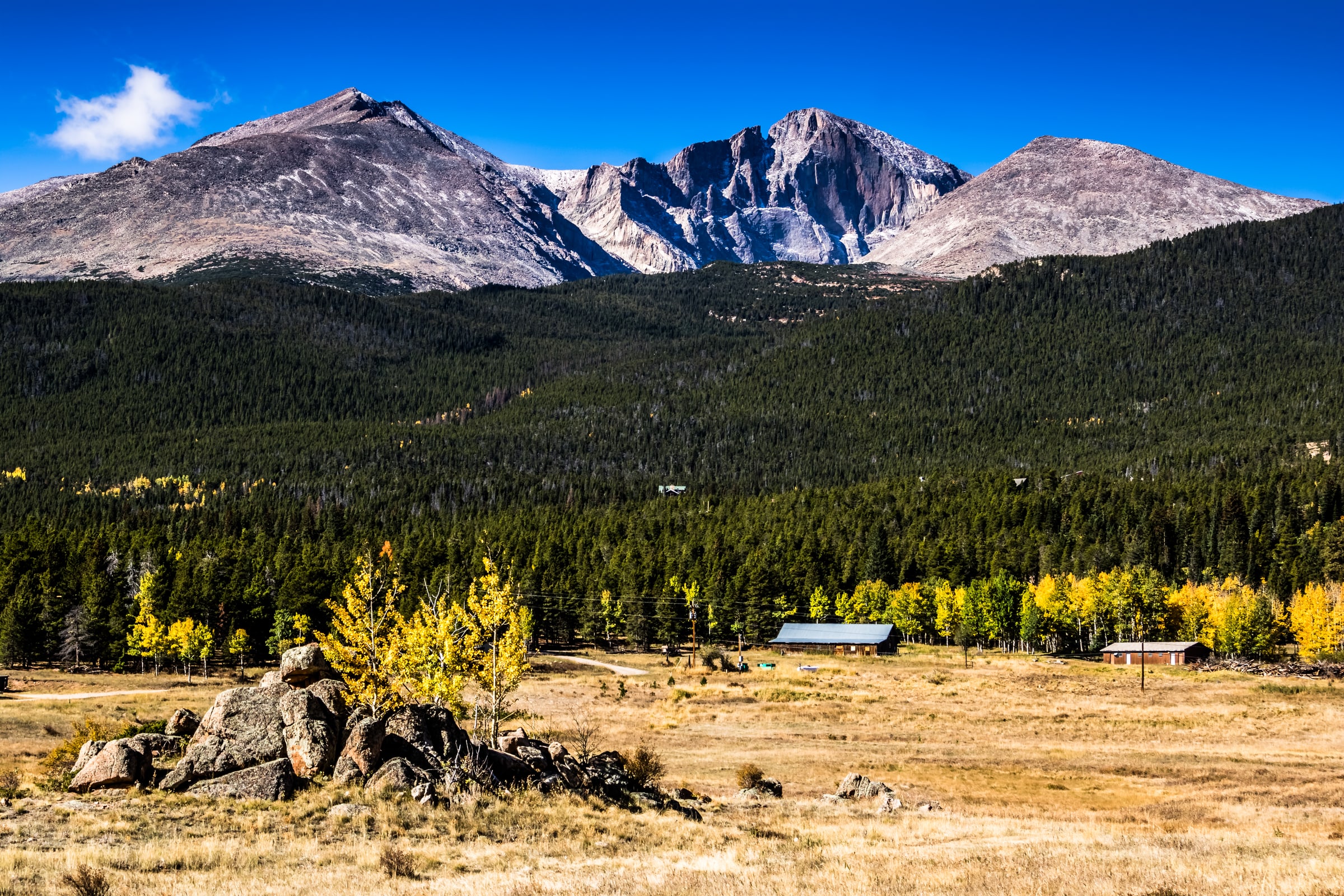
Longs Peak makes the limits of the shared label clear. Its Keyhole Route crosses narrow ledges, loose rock, and steep faces; the Park Service describes it as a climb. That is a very different undertaking from following a walking trail to a broad summit. Elevation alone tells you little about the skills, exposure, or time a route will demand.
Choose a mountain you want to understand, then read the full route and current conditions, including the descent. Leave enough room in the day to turn around when the weather or your energy asks for it. The walk back is part of the outing, and a mountain can remain interesting long before, and long after, you stand on its highest rock.